To open a brewery in Arizona, you generally need federal TTB approval, the appropriate Arizona Department of Liquor Licenses and Control license, local zoning and city or county approvals, a clear premises diagram, building and fire approvals, and any health, wastewater, business, and tax registrations required for the specific location. For many beer producers, the key state license is the Arizona Series 3 Microbrewery license.
Arizona is an attractive brewery growth state because of population growth, tourism, patio culture, and strong restaurant markets in Phoenix, Scottsdale, Tempe, Mesa, Gilbert, Chandler, Tucson, Flagstaff, Sedona, Prescott, and fast-growing suburban communities. It is also a state where licensing details matter. Arizona has specific license series, production thresholds, premises requirements, ownership disclosures, and service-area controls that need to be understood before the project moves forward.
For restaurant groups, resorts, golf clubs, entertainment venues, and hospitality operators, Arizona may be a particularly strong fit for a smaller automated brewery model. The opportunity is to add fresh, branded, local beer without taking on the full cost and complexity of a traditional brewhouse.
Why Arizona is a strong state for brewery expansion
Arizona continues to attract population growth and hospitality investment. Warm weather, tourism, suburban growth, resorts, golf, entertainment districts, and year-round patio dining all support local beverage experiences. But Arizona also has a competitive food-and-beverage market, so new operators should avoid overbuilding.
A brewery in Arizona should have a clear reason to exist. A generic taproom may struggle in a crowded market. A restaurant, resort, golf club, distillery, winery, hotel, or entertainment venue that adds house-brewed beer can have a stronger built-in customer base. The beer becomes part of the experience and part of the margin structure, not just a standalone product competing for shelf space.
That is where EZBrew can help. EZBrew is built for operators who want the benefits of on-site brewing but do not necessarily want to become a traditional production brewery.
Step 1: Understand the Arizona Series 3 Microbrewery license
Arizona’s license system uses license series. The Series 3 Microbrewery license is designed for breweries located in Arizona that produce beer within defined volume limits. Arizona administrative rules define a Microbrewery license, Series 3, as authorization issued to a microbrewery that produces at least 5,000 gallons of beer following its first year of operation and not more than 6.2 million gallons annually. The definition also includes authorization to sell beer in a clean glass container that is sealed and labeled as described in Arizona law.
The Arizona Department of Liquor Licenses and Control Series 3 license application identifies it as a Microbrewery Series 3 License Application with a $100 non-refundable application fee. The application also requires each person listed to submit a personal questionnaire form, fingerprint card, and processing fee per card. It asks for business address, ownership type, legal entity information, and premises details.
This is not just paperwork. Arizona licensing is premises-driven. Your service areas, storage areas, patios, business square footage, entrances, exits, bars, dining areas, kitchens, and other areas may matter. The application requires a diagram of the location showing where liquor will be sold, served, consumed, dispensed, and stored.
Step 2: Get federal TTB approval
Arizona state licensing does not replace federal approval. If you are brewing beer for sale, you generally need to qualify with the TTB through a Brewer’s Notice. The TTB process requires details about the business, owners, premises, brewery layout, equipment, and operations. TTB states that a brewer may not operate until the Brewer’s Notice is approved.
This is especially important in Arizona because the state license application and federal Brewer’s Notice both care about premises and operations. If your diagrams, lease, buildout, and equipment plan do not match, you can create avoidable delays.
Start the federal planning early, especially if your project involves construction, a landlord, a patio, shared spaces, or a restaurant license.
Step 3: Confirm local zoning and municipal requirements
Arizona cities and counties can have their own review processes for liquor licenses, zoning, business licensing, building permits, fire code, signage, food service, patios, live entertainment, and wastewater. A Series 3 license may be the state path, but local approval still matters.
Before signing a lease in Phoenix, Scottsdale, Tempe, Tucson, Mesa, Gilbert, Chandler, Flagstaff, Prescott, or Sedona, confirm:
- Whether brewery, microbrewery, restaurant, bar, or manufacturing use is allowed at the address.
- Whether the city will recommend approval of the liquor license.
- Whether the zoning district allows on-site alcohol consumption.
- Whether patios, outdoor bars, walk-up windows, or non-contiguous service areas are permitted.
- Whether the landlord allows brewing, tanks, glycol, cleaning chemicals, and alcohol manufacturing.
- Whether building, fire, and health approvals align with the planned opening date.
- Whether wastewater, floor drains, and backflow prevention are adequate.
Arizona’s licensing paperwork asks about whether the location is within incorporated city or town limits, and the premises diagram asks applicants to identify patios, walk-up or drive-through windows, and non-contiguous patio areas within 30 feet. These details are not afterthoughts; they shape the licensed premises.
Step 4: Decide whether you also need a restaurant, bar, or other license strategy
An Arizona brewery business may not always be just a Series 3 license. Depending on the business model, you may need to evaluate whether additional retail privileges, restaurant operations, or other license types are part of the plan. Arizona legislative research materials note that a microbrewery licensee may apply for and hold certain additional bar, beer and wine bar, or restaurant licenses, subject to limits.
This is where the business plan matters. Are you primarily manufacturing beer? Are you operating a restaurant? Are you serving beer, wine, and spirits? Will you have a remote tasting room? Will you sell to-go? Will you distribute? Will you operate multiple locations under common ownership?
Do not guess. License strategy should be discussed before you finalize the site, menu, and revenue model.
Step 5: Plan the premises diagram carefully
The premises diagram is one of the most practical parts of the Arizona process. The Series 3 application requires a diagram showing areas where spirituous liquor will be sold, served, consumed, dispensed, and stored. It specifically asks applicants to label entrances, exits, interior walls, bar areas, dining areas, dance floor, stage, game room, and kitchen, and to identify north on the diagram. It also warns that licensees are responsible for notifying the Department of Liquor when there are changes to service areas or square footage.
For a brewery project, that means your equipment plan, floor plan, service plan, and licensing plan need to match. If tanks are moved, patios are added, walls are changed, or service areas expand, those changes may affect licensing.
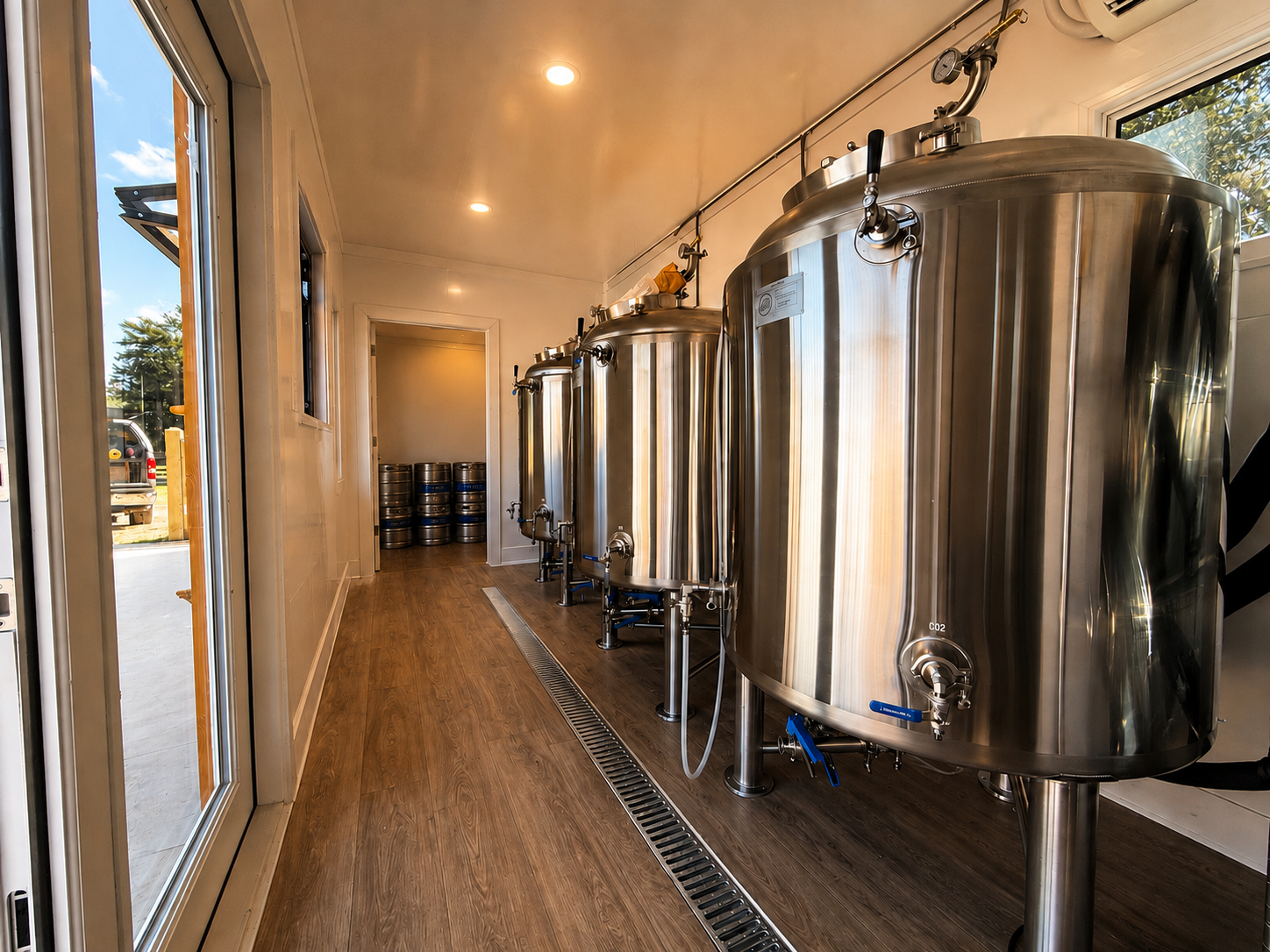
EZBrew can help make this easier because the system is designed around a defined equipment footprint and a repeatable brewing process. A clear, organized equipment layout can help owners explain the operation to landlords, inspectors, and regulators.
Step 6: Address water, heat, and operational reality
Arizona is unique operationally. Heat, outdoor service, water use, cooling, glycol management, and equipment location can matter more than they would in cooler states. If your brewery is in Phoenix or Tucson, chiller placement, HVAC impact, utility load, and temperature control should be part of the plan. If the location has outdoor service, patio design and licensed service areas need to be reviewed early.
Traditional breweries can require extensive utilities, grain handling, hot-side brewing, drains, and brewer labor. For many Arizona restaurants and hospitality venues, that may be too much operational complexity.
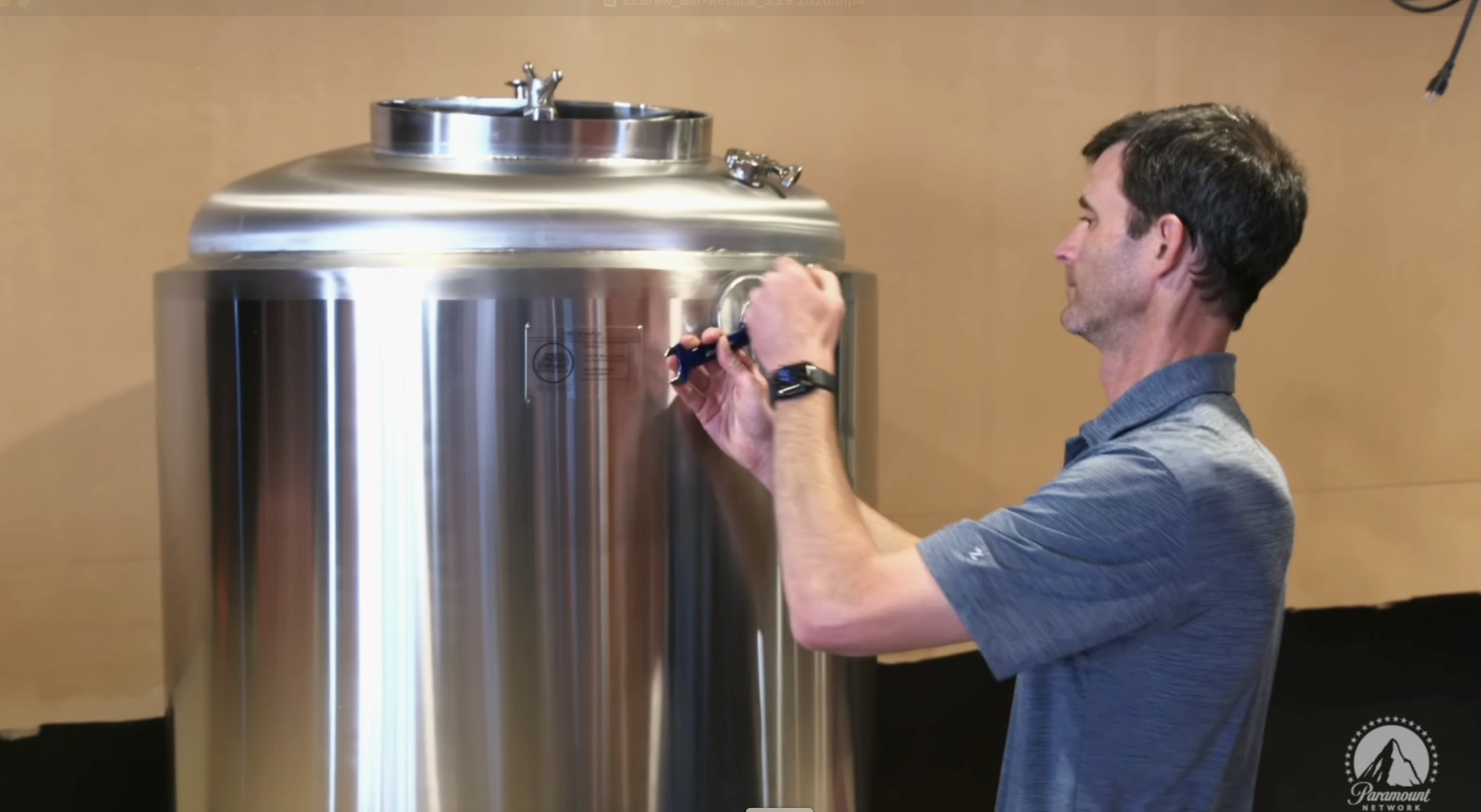
EZBrew’s automated brewing platform uses Brew-Ready Beer Kits, remote support, guided processes, and a smaller footprint. That can help reduce the burden of adding beer to an existing hospitality business. The goal is to create a profitable house-beer program, not to turn every operator into a full-scale production brewery.
The danger of going alone on Arizona regulatory
Arizona’s licensing system is manageable, but mistakes can create delays. The biggest risks are choosing the wrong license strategy, misunderstanding production thresholds, failing to align the premises diagram with the buildout, overlooking local city approvals, or assuming a restaurant or bar plan automatically covers brewing.
Common Arizona mistakes include:
- Treating the Series 3 license as a generic alcohol license.
- Forgetting that the license is tied to specific premises and service areas.
- Failing to prepare accurate diagrams.
- Changing patios, bars, storage, or square footage without understanding reporting requirements.
- Signing a lease before confirming zoning and city approval.
- Underestimating fingerprinting, personal questionnaires, and ownership disclosures.
- Buying traditional brewery equipment before confirming heat load, drainage, utilities, and layout.
- Assuming federal TTB approval and Arizona licensing are the same process.
EZBrew is not a law firm, but it helps operators approach the project with a proven framework. By combining automated equipment, Brew-Ready Beer Kits, training, remote support, and regulatory assistance, EZBrew can help restaurants and hospitality operators reduce the uncertainty of opening a brewery-style concept.
Arizona brewery startup checklist
- Define the model: microbrewery, brewpub-style restaurant, taproom, resort brewery, or hospitality add-on.
- Determine whether Series 3 Microbrewery licensing fits the business plan.
- Confirm whether additional restaurant, bar, or retail licensing is needed.
- Verify local zoning and municipal liquor-license review before signing a lease.
- Prepare the TTB Brewer’s Notice and premises diagram.
- Prepare the Arizona DLLC application, ownership disclosures, fingerprints, and questionnaires.
- Build a clear premises diagram showing service, storage, production, patio, and consumption areas.
- Coordinate building, fire, health, wastewater, and utility approvals.
- Plan for heat, cooling, glycol, water, and equipment placement.
- Select equipment that supports the approved premises and expected beer volume.
FAQ: Opening a brewery in Arizona
What is a Series 3 Microbrewery license in Arizona?
A Series 3 Microbrewery license is Arizona’s license category for a microbrewery producing beer within defined volume limits. Arizona administrative rules describe the license as applying to a microbrewery producing at least 5,000 gallons after its first year of operation and not more than 6.2 million gallons annually.
Do I need a TTB Brewer’s Notice in Arizona?
Yes. A business producing beer for sale generally needs federal TTB approval through a Brewer’s Notice before operating commercially.
Does Arizona require a premises diagram for a microbrewery license?
Yes. The Arizona Series 3 application requires a diagram showing where liquor will be sold, served, consumed, dispensed, and stored, with entrances, exits, walls, bar areas, dining areas, kitchen, and other relevant areas labeled.
Is Arizona a good state for a restaurant brewery?
Yes. Arizona’s growth, tourism, resort culture, patio dining, and restaurant markets create strong opportunities for house-brewed beer. The best fit is often a hospitality-driven model rather than a large traditional production brewery.
Can EZBrew help open a brewery in Arizona?
Yes. EZBrew helps operators evaluate equipment, startup timeline, brewing workflow, regulatory steps, training, and ongoing support for a small-footprint automated brewing model.