CRAFT HAS SOFTENED. HERE’S THE GOOD NEWS.
U.S. craft beer production declined an estimated 4% during the first half of 2026. But behind that headline are encouraging signs—particularly for restaurant operators.
Distributed draught gained 0.5 percentage points of channel share, while packaged craft lost 0.4 points. Among craft beer drinkers, 85% now drink craft at least monthly—an increase of 10 percentage points in one year.
The distinction matters. Consumers may be buying less packaged craft beer to drink at home, but fresh draught beer and the experience surrounding it continue to hold their appeal.
For restaurants, the opportunity remains strong: serve something distinctive, connect it to the menu and give customers an experience they can’t pick up at the store.
WHAT BELONGS ON A FALL TAP LIST?
Fall beer doesn’t have to mean filling every tap with pumpkin spice and high-alcohol ales. A useful seasonal list balances familiarity, flavour and drinkability.
Four styles worth considering:
- Märzen or amber lager
Toasted malt character, moderate alcohol and broad appeal. It works particularly well with burgers, sausages, roast pork, mushrooms and aged cheddar. - Fresh-hop or session pale ale
Bright hop aroma without the weight of a strong IPA. Pair it with fried chicken, tacos, spicy dishes or anything rich enough to benefit from a clean, bitter finish. - Brown ale or dry stout
Roasted flavours fit naturally with cooler weather, but the beer can still remain approachable. Try it with braised beef, barbecue, oysters, roasted vegetables or chocolate desserts. - Apple, cranberry or pear seasonal
A fruit-led wheat beer, seltzer or light ale can provide a seasonal option for customers who don’t normally order craft beer. It also pairs well with pork, sharp cheese, salads and spicy food.
One thoughtfully chosen seasonal beer will usually do more for a menu than several novelty products competing for attention.
THE 60-SECOND PAIRING GUIDE
Successful beer pairings generally perform one or more of three jobs:
Cut
Carbonation and bitterness cut through fat and richness. Think pilsner with fried food or pale ale with a cheeseburger.
Complement
Similar flavours reinforce one another. An amber lager complements roasted meat, toasted bread, caramelized onions and nutty cheeses.
Contrast
An opposing flavour creates balance. A crisp lager can lighten a rich cream sauce, while a fruit beer or seltzer can cool a spicy dish.
The pairing doesn’t need a paragraph of explanation on the menu. A simple line—“Try it with our smoked brisket”—is often enough to guide the order.
Staff involvement matters, too. Servers don’t need a beer education course; they need one memorable pairing for each tap and the confidence to suggest it.
ONE BEER, THREE PLACES ON THE MENU
A seasonal beer becomes more valuable when it appears in more than one place.
Consider giving one fall beer three jobs:
- Serve it as a fresh draught.
- Recommend it alongside a signature entrée.
- Incorporate it into a sauce, batter, glaze or dessert.
An amber lager could appear on tap, alongside a roast-pork sandwich and in the accompanying beer mustard. A dry stout could pair with braised beef and also become part of the braising liquid or a chocolate dessert.
This creates a more cohesive menu story while giving servers and guests more reasons to talk about the beer.
One caution: highly hopped beers can become aggressively bitter when heavily reduced. Malt-forward lagers, brown ales, wheat beers and stouts are generally more forgiving in the kitchen.
LOW AND NO ALCOHOL ARE BECOMING PERMANENT CATEGORIES
Moderation is moving beyond Dry January.
Global non-alcoholic beer volume grew 9% in 2024 while total beverage alcohol volume declined 1%. In the U.S., non-alcoholic beer volume increased 175% between 2019 and 2024. IWSR expects the global category to grow approximately 8% annually through 2029.
The opportunity is broader than zero-alcohol beer. There is plenty of room between a 0.0% lager and a 7% IPA:
- 3%–4.5% session pale ales
- English milds and dark lagers
- Dry stouts
- Light wheat and fruit beers
- Lower-alcohol seasonal ales
These products shouldn’t be presented as lesser substitutes. They give customers more control over the occasion and can make a second beverage easier to consider.
SELTZER IS EVOLVING
The first hard-seltzer boom has cooled, particularly for national brands offering similar flavour profiles. But customer interest in lighter, flavour-led drinks hasn’t disappeared.
The opportunity is shifting toward more distinctive products:
- House-branded seltzers
- Seasonal fruit combinations
- Hard teas and lemonades
- Cocktail-inspired flavours
- Lower-alcohol sparkling drinks
- Regional ingredients and limited releases
In other words, seltzer isn’t necessarily over. Generic seltzer is simply having a harder time standing out.
A cranberry-orange seltzer offered through the fall tells a more compelling story than another permanent black-cherry SKU—and it can be paired with spicy food, roast poultry or a seasonal dessert.
THE LAW WATCH
Alcohol regulation is increasingly being shaped by beverages that do not fit neatly into traditional beer, wine and spirits categories.
Approximately 30 canned-cocktail bills were introduced across the U.S. in 2025, addressing issues such as taxation, manufacturing, distribution and permitted alcohol levels. More than 50 bills related to direct-to-consumer alcohol shipping were introduced during the 2024–25 legislative session.
For restaurant operators, the important detail is classification. A beer, fermented seltzer and spirit-based canned cocktail may be treated very differently—even when they have similar alcohol levels.
Before introducing a new beverage format, confirm how the product is classified under the applicable licence and whether local rules affect production, service, takeaway sales or distribution.
WHAT EZBREW DOES
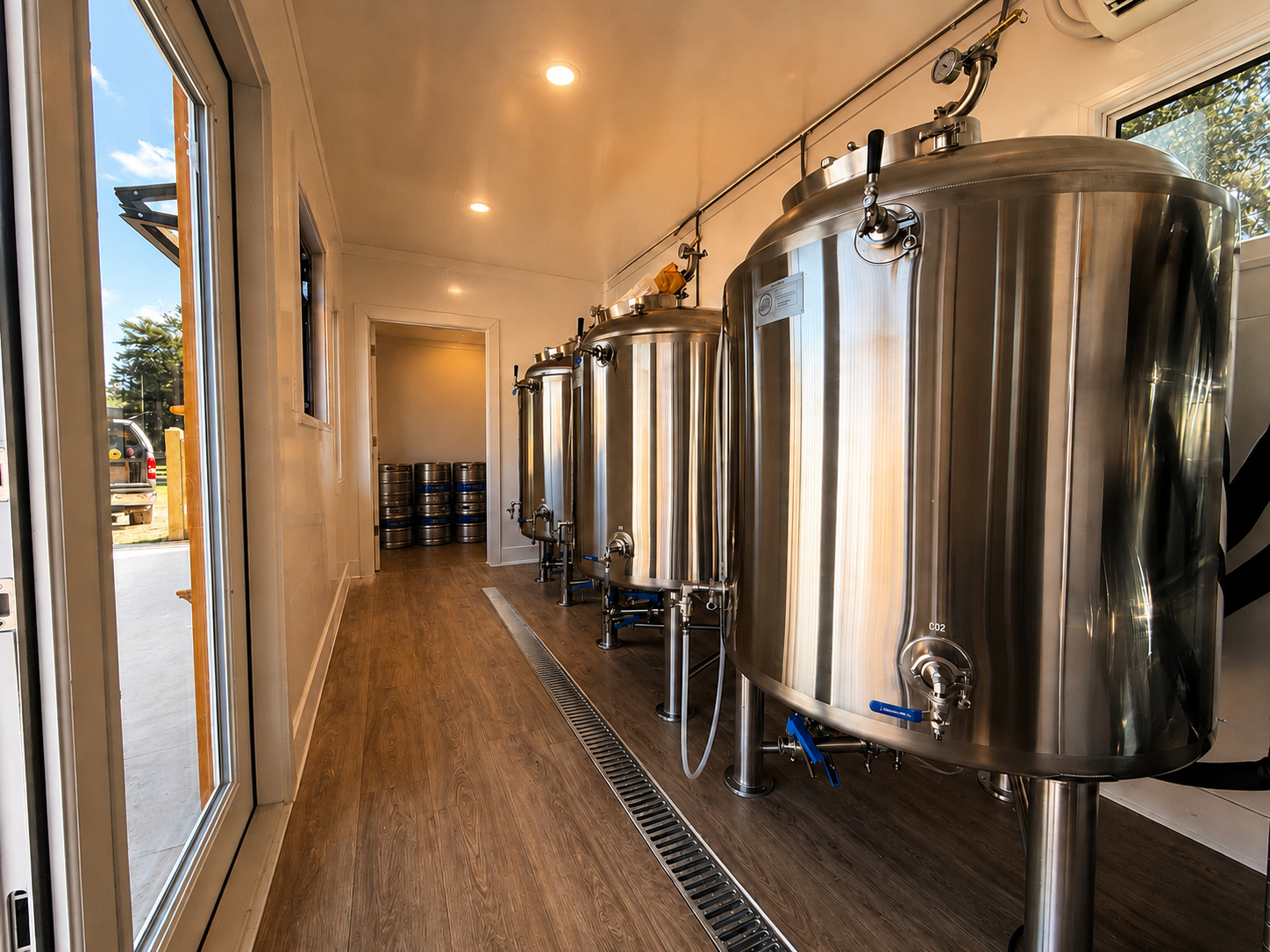
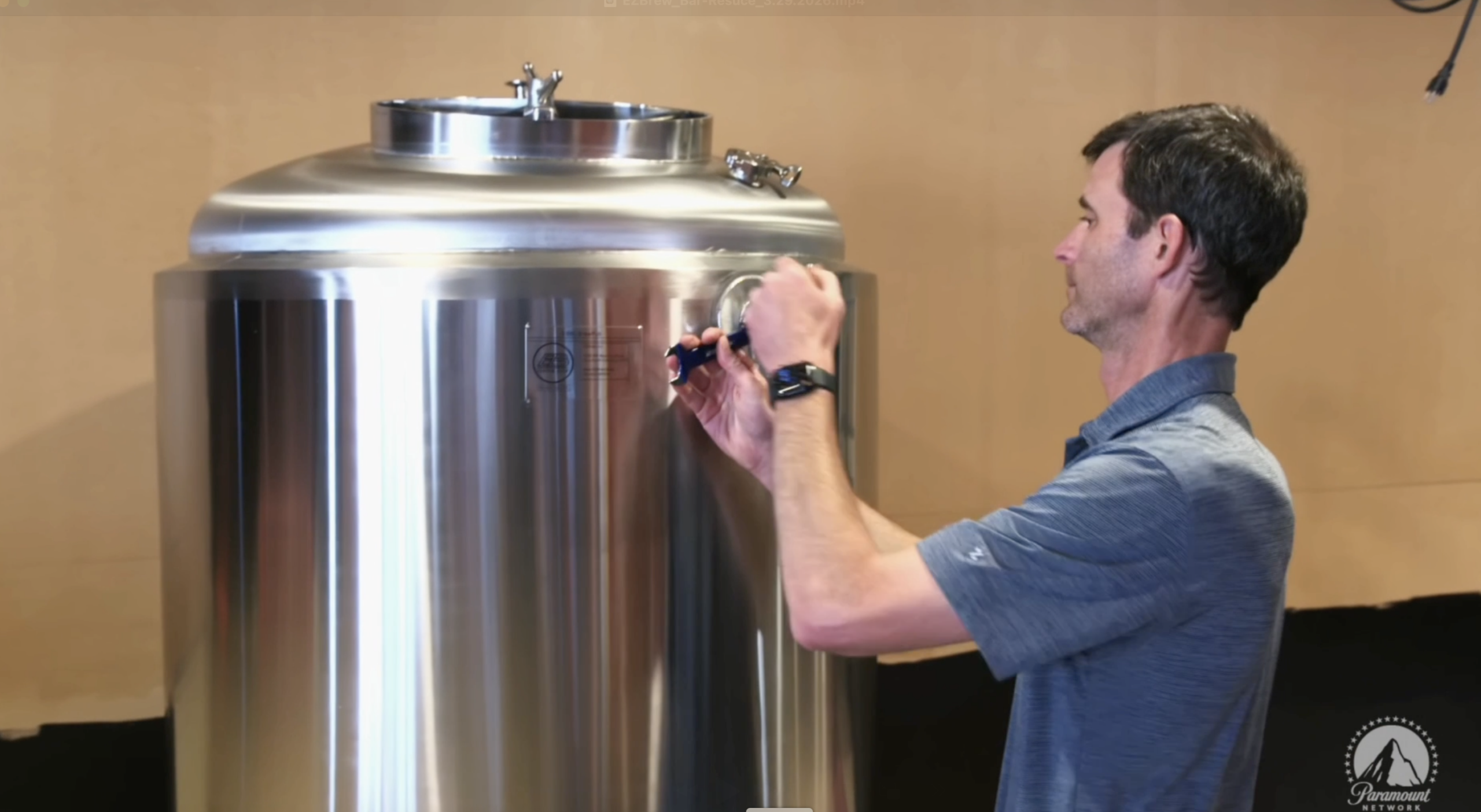
EZBrew helps bars and restaurants serve fresh craft beer under their own brands. We provide the compact brewing system, ingredients, training and ongoing support. Operators gain the theatre and brand lift of brewing onsite while requiring minimal space, no brewmaster and about two hours of labour per week—with the potential for margins of up to 90%.
Jeff Wilson
EZBrew Enterprise Programs
ezbrew.beer/enterprise
Sources and further reading:
Brewers Association: 2026 Midyear Report