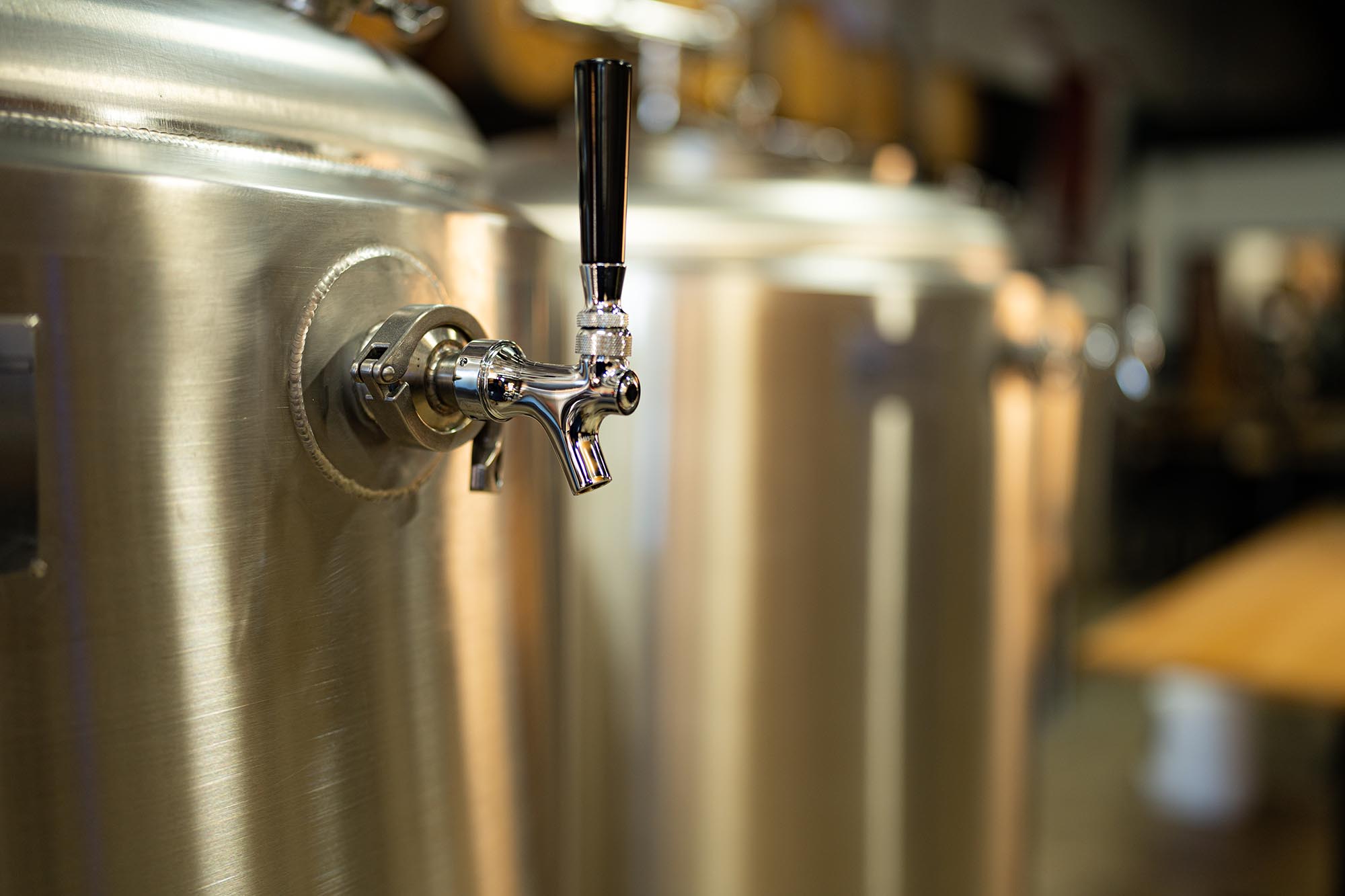
You have the dream. You can picture it clearly: your own logo on a gleaming tap handle, a bustling taproom filled with happy customers, and the pride of serving a beer that you created. It’s a compelling vision.
But then you see the headlines: “Another Craft Brewery Shuts Down.” “Local Favorite Closes Its Doors After 10 Years.” Suddenly, the dream feels risky, shadowed by the failures of others. You start to wonder:
Why are so many breweries shutting down—and how can I avoid being one of them?
The answer, more often than not, lies in a single, crippling mistake: a brewery business model built on a mountain of debt. But what if there was a way to achieve the dream without falling into the same trap?
The Anatomy of the Brewery Debt Trap
Many aspiring brewers believe that to be “real,” they need a massive production facility. This conviction leads them down a perilous path, starting with a colossal business loan—often in excess of $4,000,000.
This single decision creates a chain reaction of immense pressure.
Massive Debt Requires Massive Equipment
To justify the loan, breweries invest in huge multi-vessel brewhouses, towering fermenters, and expensive canning or bottling lines. The facility itself becomes a major fixed expense before the first beer is sold.
Massive Equipment Demands Massive Volume
Banks don’t care about your passion for craft beer—they care about loan payments. To service that multi-million-dollar debt, the brewery is forced into a high-volume production model. They must produce enormous quantities of beer, whether demand exists or not.
Massive Volume Overwhelms the Taproom
Here lies the fatal flaw. Even with multiple thriving taprooms, it’s nearly impossible to sell the volume of beer required to make the numbers work. This forces breweries into the cutthroat world of distribution.
At that point, they go from being a local craft producer to a small fish in a vast, merciless ocean. They fight for shelf space against national brands, sell beer at razor-thin wholesale margins, and spend heavily on sales and marketing just to stay visible. The profit on each pint plummets.
This isn’t theoretical. We’ve seen it play out repeatedly in the real world. Even iconic breweries like San Francisco’s Anchor Brewing, a pioneer of the craft movement, ultimately succumbed to the pressure of maintaining a large-scale production and distribution model in today’s market. If an industry titan can fall, it highlights just how risky this model is for most breweries.
A Smarter Path for Breweries: The Profit-First Brewing Model
What if you could flip the model on its head?
What if, instead of starting with massive debt and chasing volume, you started with profitability and control?
That’s the foundation of the EZ Brew system—and a direct response to the reasons so many breweries are shutting down.
How EZ Brew Helps Breweries Avoid the Mistakes That Lead to Closure
1. Radically Lower Capital Investment
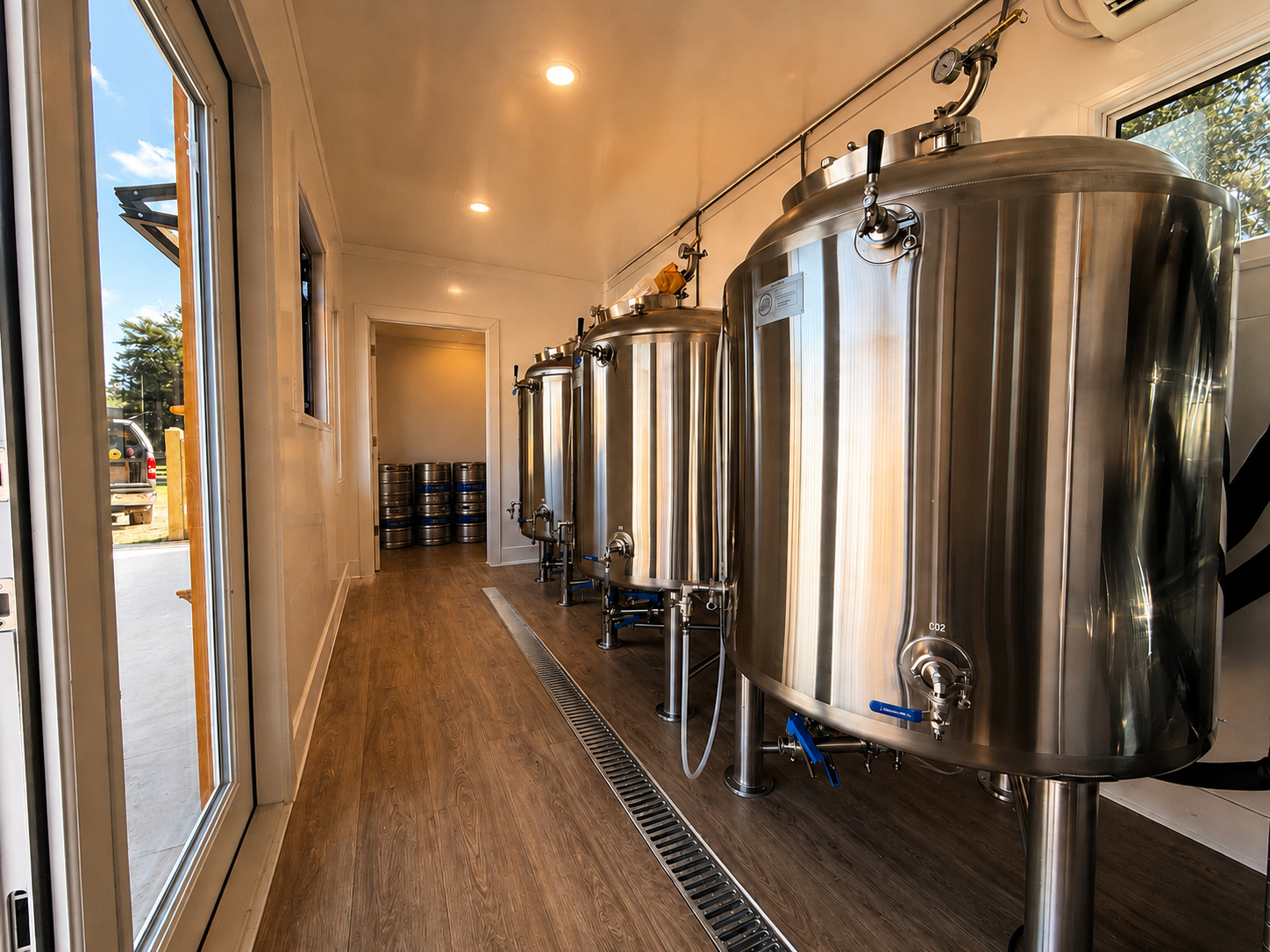
Instead of a multi-million-dollar loan, the EZ Brew system is designed as an affordable, strategic addition to an existing venue or a lean startup brewery. By eliminating the need for a sprawling production facility, EZ Brew dramatically reduces startup costs while still delivering high-quality craft beer.
Lower capital investment means less financial pressure and a faster path to profitability.
2. A Fraction of the Labor
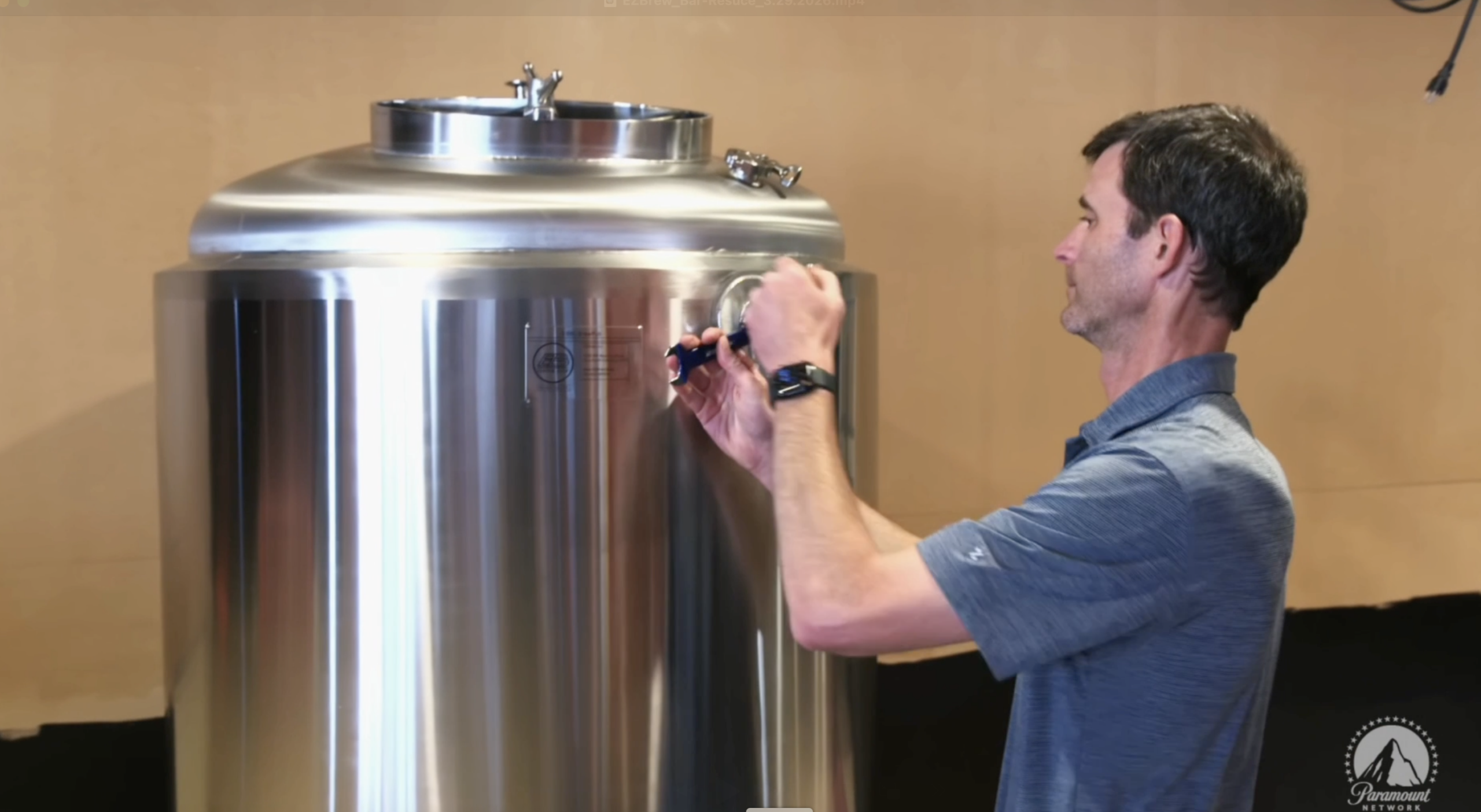
Traditional brewhouses require highly skilled (and highly paid) head brewers and production teams. The EZ Brew system is automated and easy to operate, allowing existing staff to be trained to brew consistent, great-tasting beer.
This reduces labor costs—one of the largest ongoing expenses for breweries—and minimizes reliance on specialized personnel.
3. Escape the Distribution Nightmare
This is the most critical advantage. Because EZ Brew production is tailored to your venue’s needs, distribution is unnecessary.
You brew on-site. You sell on-site. Every pint is sold at full retail margin.
There’s no fighting for shelf space, no distributor negotiations, and no middlemen eroding your profits.
Your Dream Is Valid—Your Brewery Business Model Should Be Too
The headlines about breweries shutting down are scary—but they don’t tell the whole story. They reflect an outdated, high-risk business model, not a lack of demand for craft beer.
Owning a successful brewery is still achievable. It simply requires a smarter approach—one that prioritizes profitability, minimizes debt, and gives you control over your product and brand.
Don’t let the failures of the past dictate your future. Build your brewery on a foundation of financial strength and operational simplicity.
Learn more about how the EZ Brew system provides a safer, more profitable path to achieving your brewing dream.
***
FAQs: Why Are Breweries Shutting Down?
Why are so many breweries shutting down right now?
Most brewery closures stem from high debt, rising operating costs, and low margins—especially when breweries rely on distribution rather than taproom sales.
Is distribution a major reason breweries fail?
Yes. Distribution significantly reduces profit per pint and increases marketing, logistics, and sales expenses, making it difficult for smaller breweries to stay profitable.
Do breweries really need large production systems to succeed?
No. Many profitable breweries succeed by matching production to on-site demand instead of chasing volume.
Can a brewery be profitable without taking on millions in debt?
Absolutely. Smaller, automated brewing systems like EZ Brew allow breweries to start with far less capital and lower financial risk.